How can maintenance planning be optimized and made more efficient and dynamic?
Vordingborg Forsyning manages over 500 pumping stations that transport wastewater and rainwater to their treatment plants. These pumping stations all require ongoing maintenance to ensure operational stability. While pumps in closed systems experience a more homogenous environment, wastewater pumps face several challenges—such as rags, stones, and other foreign objects, affecting their performance and necessitate unplanned maintenance.
Vordingborg Forsyning aims to transform their maintenance from scheduled and reactive to data-based, dynamic maintenance planning.
In collaboration with Neurospace, Vordingborg Forsyning conducted an AI Camp to demonstrate how historical data can be used to create dynamic maintenance scheduling.
Facts about the company
Vordingborg Forsyning is a multi-utility company covering several areas, including district heating, water, and wastewater, serving the citizens of Vordingborg Municipality. The company consists of 48 employees and places a high priority on quality and service.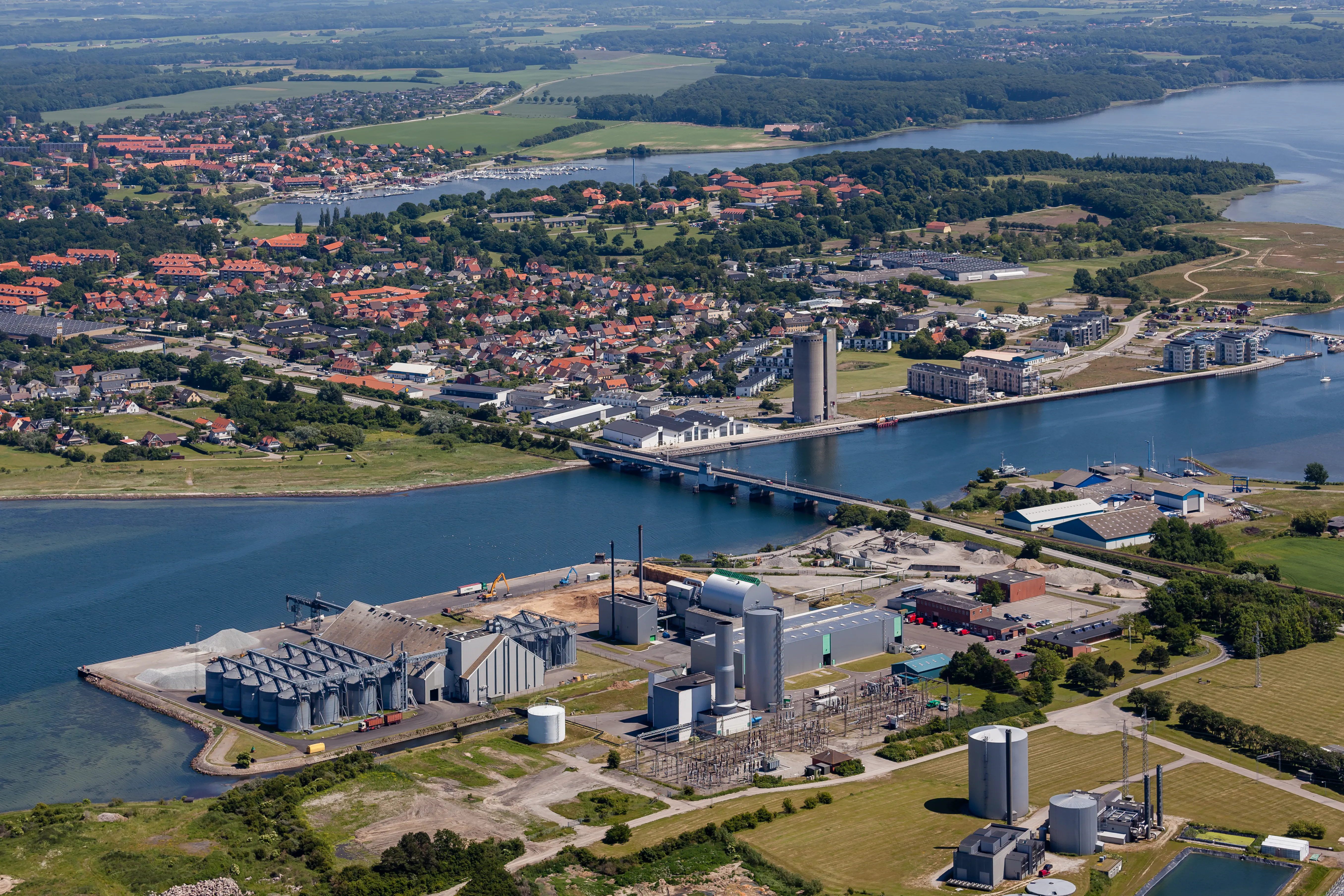
Vordingborg Forsyning covers several areas, including district heating, water, and wastewater
AI and Data-Driven Maintenance
Responsible for over 500 wastewater pumping stations, Vordingborg Forsyning wants to improve its maintenance process by moving from reactive to proactive with predictive maintenance. In collaboration with Neurospace, they have used Machine Learning (AI) to prioritize the maintenance of pumping stations based on historical data.
The goal was for the model to achieve 50% accuracy in prioritizing which stations should be maintained first. This allows Vordingborg Forsyning to receive a daily, prioritized list of stations requiring attention. A data-based maintenance plan frees up resources normally allocated to scheduled maintenance.
When wastewater stations do not function as intended, there is a risk of flooding in local areas, requiring employees to perform repairs outside of normal working hours. There can also be secondary damages as a direct result of flooding. It currently takes up to two years to inspect all wastewater stations; with 50% accuracy, it is estimated that undesirable situations can be significantly reduced.
The next step in the project involves the implementation, monitoring, and improvement of the model. Additionally, a log for operator alarms will be established to collect data on specific station issues. Over time, this data will be used to improve the machine learning model’s ability to identify specific alarms.
The value for Vordingborg Forsyning
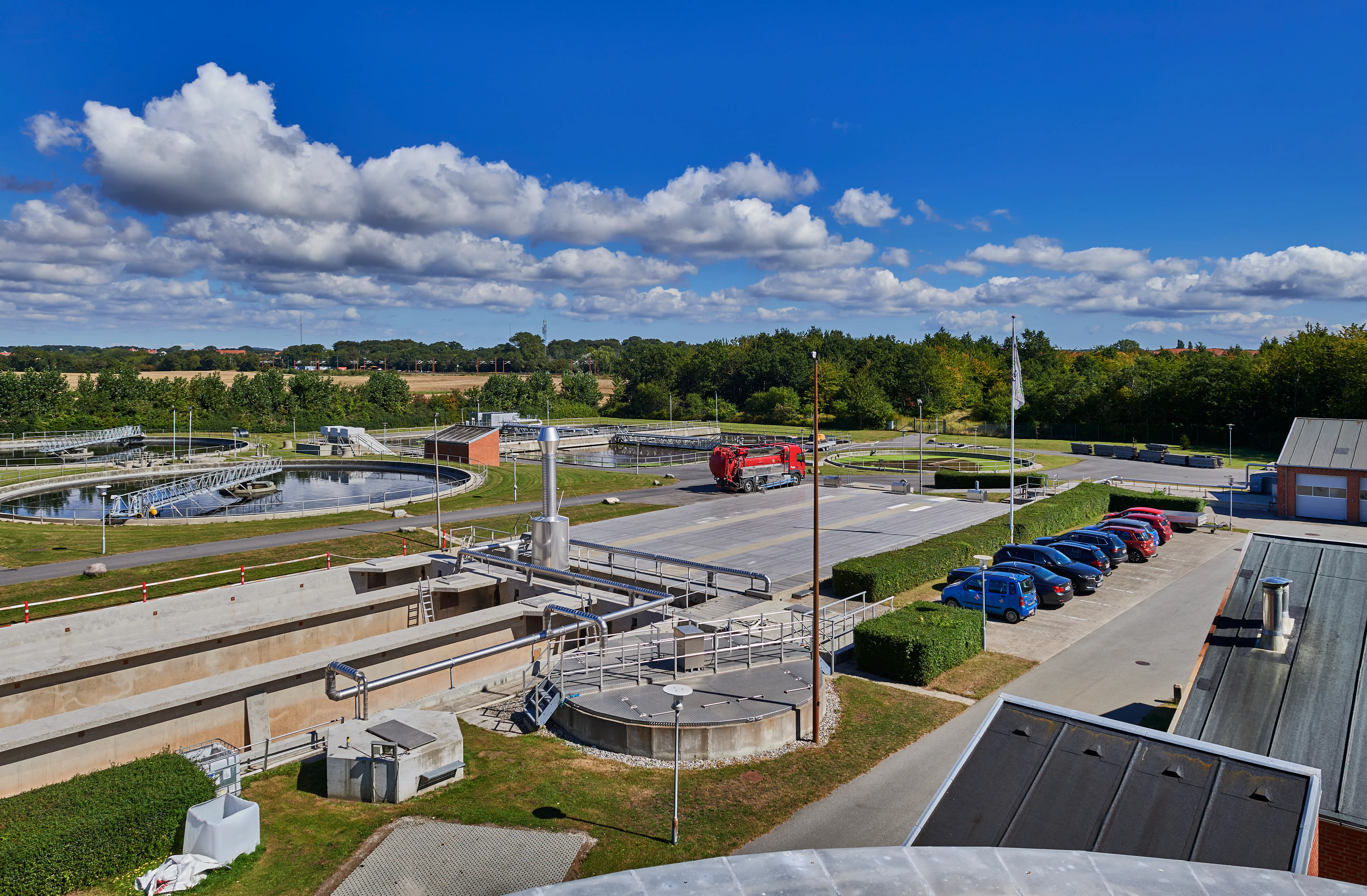
Vordingborg Forsyning is responsible for over 500 wastewater pumping stations
Problem Statement and Objectives
Vordingborg Forsyning’s current system only triggers alarms when a thermal fault occurs in a pump motor. A thermal fault is the result of the motor driving the pump becoming overloaded - for example, if the impeller is blocked or becomes too heavy to rotate. This type of alarm only indicates a motor problem; it cannot tell if enough water is being pumped or if a check valve is stuck.
The alternative to using AI is for the maintenance team to manually pull data on all pumping stations and review errors, which is time-consuming and does not always add value compared to scheduled maintenance.
Vordingborg Forsyning and Neurospace have set out to solve this complex problem. Therefore, clear objectives were defined for when the model can be considered a success and what would constitute a value-creating improvement compared to the current situation.
The primary goal of the project was for the model to prioritize maintenance needs with 50% accuracy. This objective is based on the assumption that a 50% efficiency gain in the maintenance staff’s workflow will theoretically lead to a doubling of timely maintenance - a significant improvement in itself.
Results
During the Proof of Concept (PoC) phase, the model demonstrated an accuracy of 60%, exceeding the original target. While 60% might sound low, it is an excellent result for such a complex problem. Vordingborg Forsyning and Neurospace intend to increase this further by moving from the PoC to a pilot project, where the model will be enriched with more external data sources.
By using Machine Learning (AI) to identify abnormalities, Vordingborg Forsyning now receives a daily prioritized list. This is based on historical data and continuous monitoring of current figures from systems like SCADA.
Dynamic planning frees up resources as employees can work more purposefully rather than reactively. If there is a 50% chance of a complication at a station, it is already 50% more likely and thus frees up wasted travel to the stations.
Simultaneously, dynamic planning can also alleviate the ever-increasing climate problems in the wastewater sector with large amounts of precipitation in short periods. Extreme precipitation is part of the wastewater companies’ everyday life and having maintained pumps for these situations is necessary to make climate adaptation.
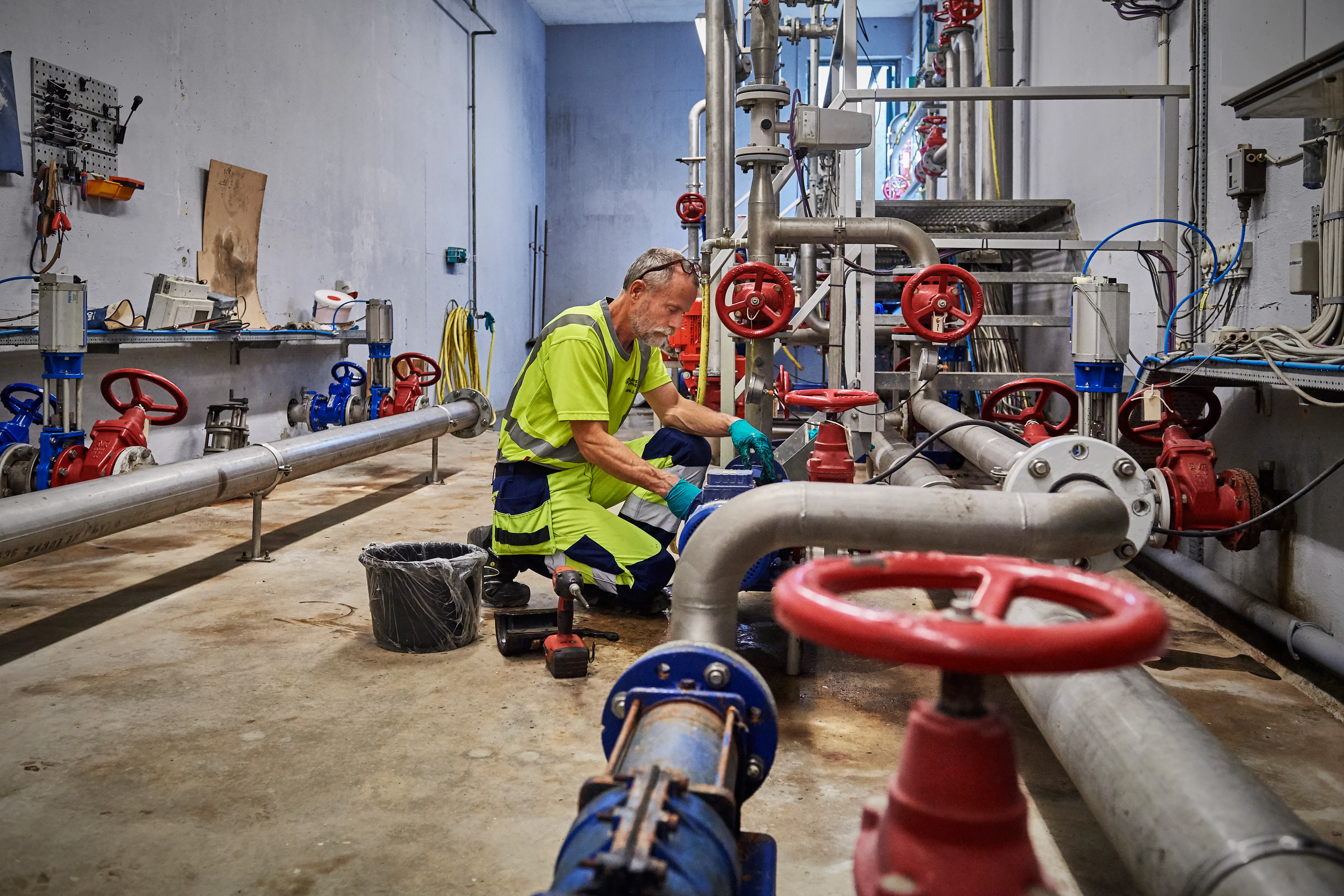
Machine Learning (AI) helps Vordingborg Forsyning identify abnormalities
The AI Camp Collaboration
The collaboration between Vordingborg Forsyning and Neurospace is transparent and efficient, which sparked innovative thinking regarding machine learning (AI). There were initially many projects on the horizon, and although it was initially very abstract, the chosen wastewater project was identified as the most valuable, tangible and executable. By combining domain knowledge within machine learning and wastewater, it became clear that dynamic planning would be the current solution with the potential to create the most value across the sector.
“
”
